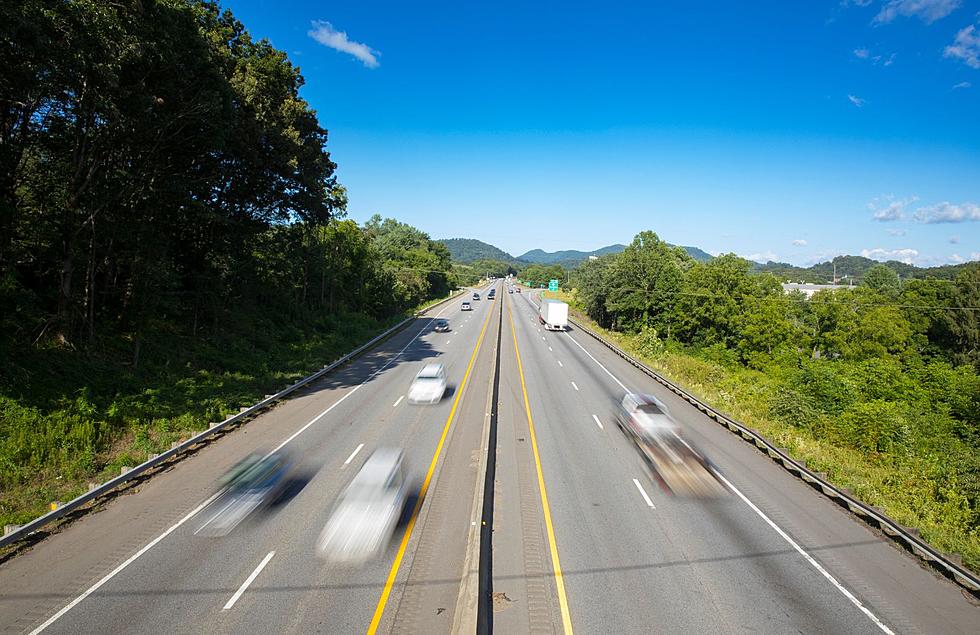
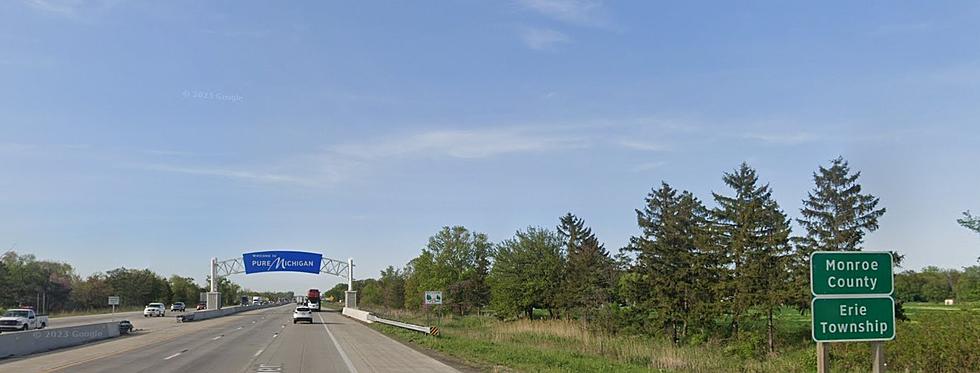
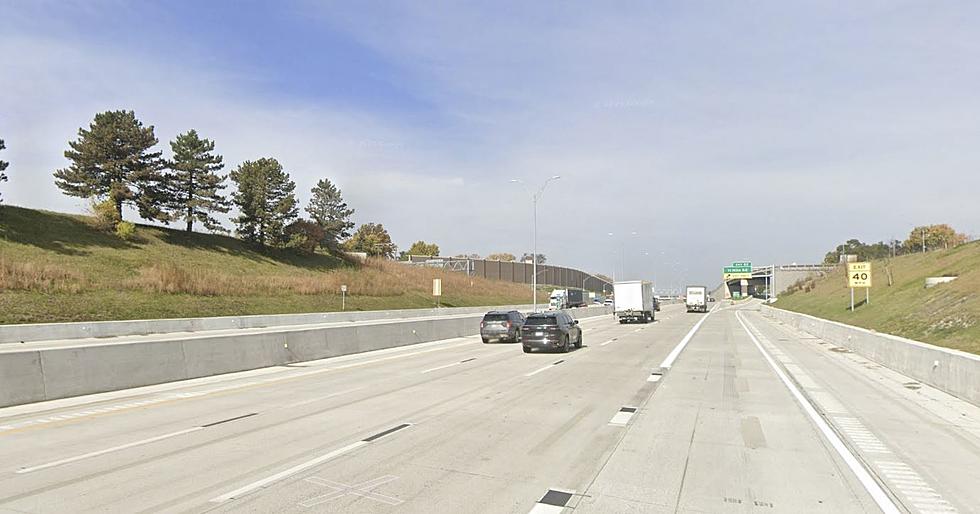
A new study looking at fatal crash data shows which Michigan roads see deadly accidents most often. Some of the names on the list might feel a little too familiar.
The "Michigan Yellow" describes drivers who speed through yellow lights, often entering intersections seconds after they turn red. This behavior, particularly noted in Lansing, is seen by some as part of local culture.
Avoiding Michigan's Mackinac Bridge turns a 5-mile trip between Mackinaw City and St. Ignace into an 897-mile slog around Lake Michigan or a 1,671-mile journey through Canada, making the bridge the only practical route.
Michigan's Keweenaw Peninsula features a unique "end of the road" where US 41 ceases, yet Mandan Road continues to High Rock Bay, a challenging path for overlanders leading to a former NASA site.
Detroit's Lodge Freeway, M-10, designed for 55 mph in the 1950s, sees drivers routinely exceed 70 mph despite MDOT's safety warnings due to tight curves and high walls, sparking debate on its dangerously ignored speed limit.
The idea of a no-GPS, no-highway road trip in Michigan is gaining traction online. Thanks to readily available paper maps from publishers like Rand McNally and MDOT, along with Michigan's extensive surface road network (especially in the UP), exploring the state "analog style" is entirely doable and offers a charming alternative to modern navigation.
Long-haul truckers often prioritize efficient routes, leading many to use the Ohio Turnpike and Indiana Toll Road south of Michigan, despite Chicago's congestion. A trucker on Reddit questioned if a northern route through Michigan's Upper Peninsula could be a better alternative.
While it's technically possible to tunnel under the Straits of Mackinac, it seems unlikely. Here's how a Mackinac Tunnel would compare to other tunnels around the country and world.