

Wait… Flint Has More 100-Degree Days Than Tampa?!
The idea that Flint, Michigan, could be hotter than Tampa, Florida, sounds like a joke, but as crazy as it sounds, it's true.
I mean, come on. Flint is where we complain about snow and freezing cold temps. And yet, we’ve had more 100-degree days than in tropical Tampa, Florida. For real?
How Many 100-Degree Days Has Flint Had Compared to Tampa?
According to Michigan Storm Chasers, Flint has recorded 38 days that hit 100 degrees or higher since official weather records began. Tampa? Just hit 100 for the first time ever on July 27, 2025. Seriously.
So how is that possible?
It’s all about geography. Flint is landlocked, which means there’s no ocean or Gulf breeze to help cool things down. When a heat wave rolls in, it just bakes, and we cook. Tampa, on the other hand, sits right on the Gulf of Mexico. Sea breezes and all that humidity actually help keep the air temperature from climbing too high, even if it feels hotter than hell.
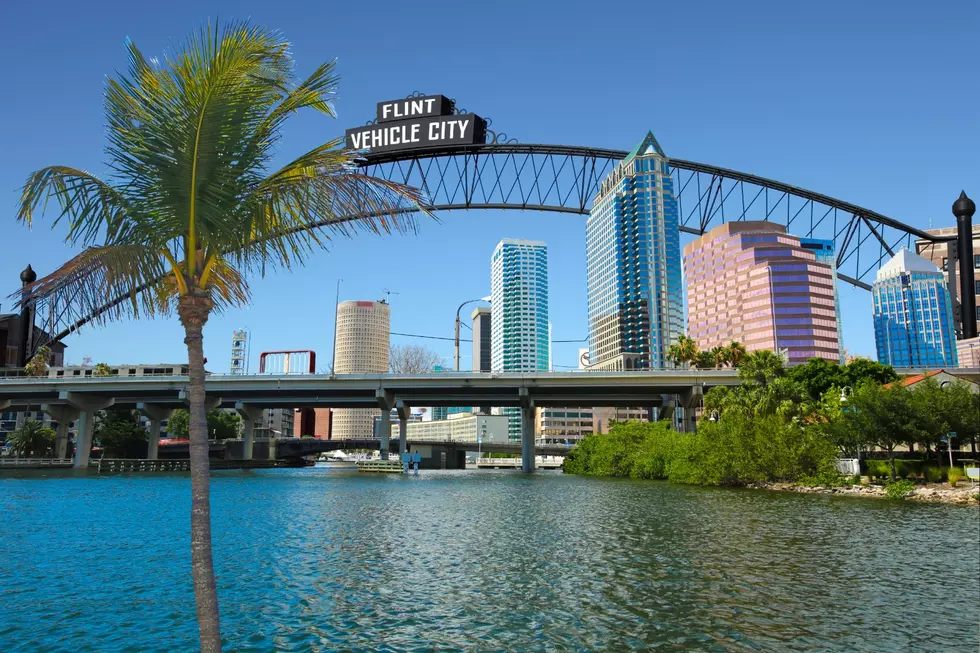
One thing to keep in mind is that we’re talking about actual air temperature, not the heat index or how hot it feels with humidity factored in.

Some of Flint’s hottest years were 1988 and 2012. Back in ’88, we hit 100 degrees or hotter on four different days. Yeah, four. Then 2012 wasn’t far behind with three days over 100. The last time Flint officially hit triple digits was July 6, 2012. So yeah, it’s rare, but it definitely happens more than most people realize, according to Extreme Weather Watch.
Keep in mind, these numbers only go back as far as official records have been kept, so who knows what Flint’s summers were really like before that.
These 5 Michigan Weather Records May Never Be Broken
Gallery Credit: Big Joe Pesh
LOOK: The most expensive weather and climate disasters in recent decades
Gallery Credit: KATELYN LEBOFF
What Michiganders Should Do When Severe Weather Hits
Gallery Credit: Lauren Gordon
More From Banana 101.5