
If You See This on a Tree in Michigan, Don’t Ignore It
Fall is here, and Michigan residents are being reminded to keep an eye out for spongy moth egg masses on trees, fences, and just about any outdoor surface. Wait, what in the heck is a spongy moth?
Spongy moths are technically called Lymantria dispar, but they’re mainly referred to as the gypsy moth or spongy moth. Gypsy moth, I’ve heard of, but spongy is a new one to me.
According to Wikipedia, these invasive little pests have been a huge problem across Michigan for decades. Their caterpillars feed on the leaves of oak, aspen, birch, and other trees, sometimes stripping them completely bare.
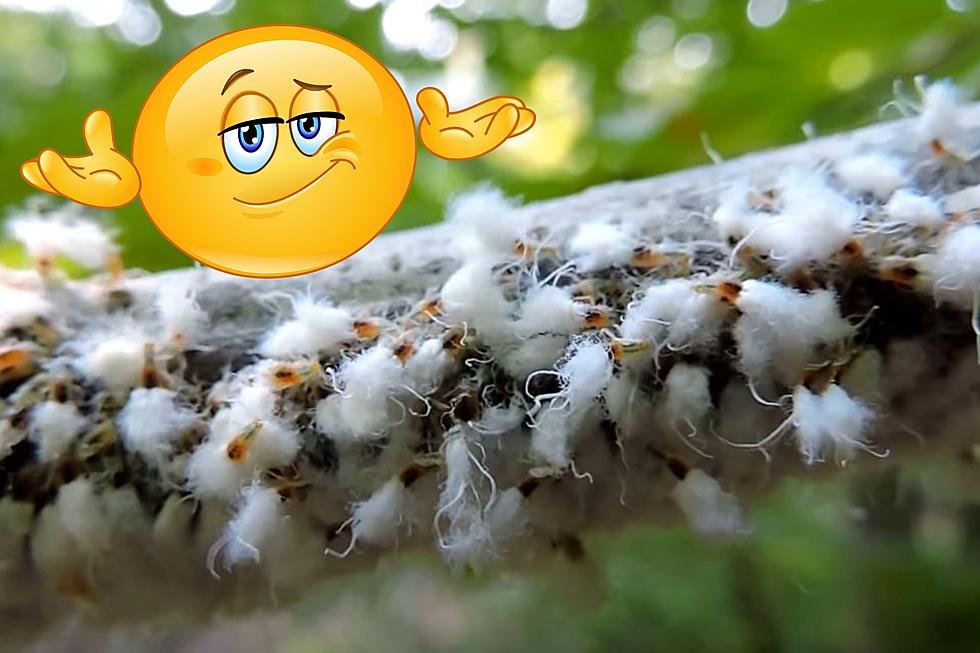
After their summer feeding frenzy, the adult moths lay fuzzy, tan-colored egg masses that cling to tree bark, fences, decks, and even campers or patio furniture. Yeah, pretty much everything. I bet you know exactly what I'm talking about now.
This week, the Macomb County office of Michigan State University Extension reminded residents to be on the lookout for those egg masses before winter sets in. They say finding and removing them now can make a big difference when spring rolls around.
The egg masses look like fuzzy, yellowish-brown clumps about one to two inches long. They can survive Michigan’s brutal winters, and once they hatch in the spring, the caterpillars get right back to work devouring tree leaves. That can leave trees weak and vulnerable to drought and disease.
If you live in Macomb County and see any of these egg masses, MSU Extension asks that you call their spongy moth hotline at 586-469-6432. These little tree destroyers are so bad that they even have their own hotline. A surveyor will check the area to see if treatment is needed.
Even if you don’t live in Macomb County, it’s still worth checking your trees. These pests have spread all across Michigan, and taking care of them now could save you a major headache next year.
Michigan Home Remedies to Get Rid of Stink Bugs
Gallery Credit: Scott Clow
10 Invasive Plants & Insects You Should Destroy if You Spot Them in Michigan
Gallery Credit: Michigan.Gov
9 Most Dangerous Insects In Michigan
Gallery Credit: Jessica Poxson
More From Banana 101.5